
Outdoor activities expose your face and neck to some of the harshest conditions—cold wind, dust, strong sunlight, and sudden temperature changes. While jackets and gloves often get the most attention, many people underestimate how important it is to properly protect the head and face. A well-designed ski mask offers a practical solution by combining coverage, comfort, and versatility in one simple piece of gear.
Unlike traditional scarves or hats that only protect certain areas, a ski mask provides full coverage for the head, face, ears, and neck. This makes it especially useful for people who spend long hours outdoors. Whether you’re cycling through cold morning air or hiking along windy trails, consistent protection helps reduce discomfort and fatigue during activity.
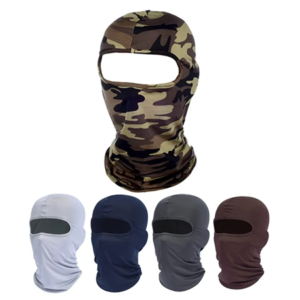
① Full-coverage protection for changing weather
A ski mask is designed to shield multiple parts of the body at once. The head, face, ears, and neck are among the most sensitive areas when exposed to cold wind or strong sunlight. A properly fitted mask creates a protective layer that helps block wind, reduce dust exposure, and provide a degree of UV protection during sunny outdoor activities.
In colder environments, the mask works as a thermal barrier, helping to retain warmth around the face and neck. During warmer seasons, lightweight and breathable materials allow airflow while still protecting the skin from dust and sunlight. This balance between coverage and breathability makes the ski mask useful throughout the year rather than only during winter.
② Ski Mask Versatility across many outdoor activities
One reason the ski mask has gained popularity is its adaptability to many outdoor scenarios. People often associate it with skiing or snowboarding, but its usefulness extends far beyond winter sports.
For cyclists and motorcyclists, it acts as a wind-blocking layer under helmets, reducing irritation caused by cold air or road dust. Runners and hikers benefit from the lightweight coverage during early mornings or windy trails. Anglers and outdoor workers use it to minimize sun exposure and protect against sand or dust.
It is also widely used in activities such as climbing, tactical training, airsoft games, and long outdoor travel. Because it fits comfortably under most helmets, it integrates easily with other protective gear, making it a practical choice for both recreation and professional outdoor use.
③ Multiple wearing styles for different needs
A key advantage of a modern ski mask is its flexibility in how it can be worn. Instead of being limited to a single configuration, it can adapt to different situations and comfort preferences.
It can be worn as a traditional full balaclava for maximum coverage in cold weather. In milder conditions, it can be adjusted into a half mask that covers the neck and lower face while leaving the top of the head open. Some users prefer to wear it as a neck gaiter, scarf, or bandana when they only need partial protection.
Other common styles include using it as a helmet liner, headband, neck tube, or even a simple wristband when not in use. This adaptability means a single ski mask can replace several different accessories in your outdoor gear bag.
④ Comfortable fit for everyday use
Comfort is a critical factor when wearing any headgear for extended periods. A well-made ski mask typically uses soft, breathable fabric that sits gently against the skin without causing irritation. Stretchable materials allow it to adapt to different head shapes while maintaining a snug fit that stays in place during movement.
The unisex design works well for men, women, and teenagers, making it a convenient accessory for families or groups who share outdoor hobbies. Breathability is equally important, as it helps prevent excessive moisture buildup during physical activity.
Durability also plays a role in long-term usability. Most quality ski masks are machine washable and designed to maintain their shape even after repeated cleaning. This makes them easy to maintain while ensuring they remain reliable for future trips and activities.
A ski mask may look simple at first glance, but its practical design offers significant advantages for outdoor comfort and protection. By combining full-coverage protection, flexible wearing styles, and compatibility with various activities, it becomes a versatile accessory for anyone who enjoys spending time outside. Whether facing cold winds on a mountain trail or dust on a cycling route, the right ski mask can make outdoor experiences far more comfortable and enjoyable.