
Dust may look harmless, but in daily life it appears more often—and affects us more—than we realize. Whether you’re walking along a busy street, doing light cleaning, working on a DIY project, or simply commuting, tiny airborne particles can easily enter the nose and mouth. A dust mask offers a simple, practical layer of defense, helping you breathe more comfortably and confidently in environments filled with fine particles.
Dust masks are not complicated tools; their value comes from their thoughtful design, comfortable materials, and ability to provide basic filtration for everyday use. And with growing awareness of environmental and air-quality issues, more people are turning to dust masks as part of their regular routine.
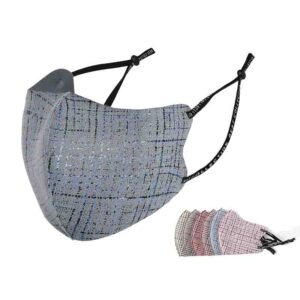
Material That Makes a Difference
A good dust mask starts with good material. Many high-quality dust masks use a multi-layer construction that balances protection with breathability. Cotton and polyester blends are commonly chosen because they are soft, durable, and comfortable for long periods of wear. This combination allows the mask to hold its shape while still feeling gentle on the skin.
Inside the mask, an additional filter pocket adds another layer of safety. This pocket is designed to fit common PM2.5 filters, which help block finer particles from entering the respiratory system. For people who live in areas with dust, smoke, pollen, or heavy traffic, this extra filtration can make a noticeable difference in daily comfort. The ability to replace filters also means the mask can stay fresher for longer without replacing the entire item.
Reusable materials also contribute to sustainability. Instead of throwing away disposable masks every day, users can wash and reuse dust masks made from quality fabrics—reducing waste while maintaining protection.
A Comfortable Fit for Everyday Use
Comfort is another key factor in whether people actually wear dust masks consistently. That’s why adjustable features have become essential. A flexible nose clip helps the mask fit more securely along the bridge of the nose, preventing gaps and helping glasses stay fog-free. This is especially useful for students, office workers, and anyone who needs clear vision while wearing a mask.
The ear loops also play a big role. Elastic straps that can be adjusted allow the dust mask to fit different face shapes without causing discomfort. Whether someone has a smaller or broader face, the adjustability ensures a snug yet gentle fit, making it easier to wear the mask for daily tasks.
Because breathing comfort is just as important, many dust masks are designed to allow good airflow without compromising protection. This balance helps reduce that “stuffy” feeling people sometimes experience with masks.
Where Dust Masks Fit Into Daily Life
Dust masks are surprisingly versatile, and their usefulness goes far beyond construction sites or workshops. They are suitable for men, women, and most young people, making them a practical accessory for many situations.
People use dust masks for:
Commuting in dusty or high-traffic areas
Cleaning tasks at home
Gardening or yard work
Sports like cycling or jogging
Light DIY projects
Shopping, errands, or studying
Traveling in crowded spaces
In each of these situations, the goal is simple—reduce inhalation of dust and other fine particles while keeping breathing comfortable.
For people with seasonal allergies, a dust mask can provide relief during high-pollen periods. For those who commute through busy roads, it helps minimize exposure to exhaust particles. And for anyone who simply wants a cleaner breathing experience in everyday environments, a dust mask is an easy and reliable solution.
A Small Item With Big Everyday Value
The rise in awareness around air quality has made dust masks an essential part of daily life for many. They are lightweight, washable, reusable, and easy to carry. Their design focuses on combining comfort, protection, and practicality—three qualities that encourage consistent use.
Most importantly, dust masks offer peace of mind. They help users move through their day with fewer worries about dust, pollen, and airborne particles. And while they are simple in structure, their impact on daily comfort and respiratory wellbeing can be significant.
Choosing the right dust mask means choosing a balance of good materials, adjustable features, and a design that supports daily routines. With these elements in place, the dust mask becomes more than a simple accessory—it becomes a smart and reliable part of modern living.