
A cycling mask is a practical accessory for cyclists and outdoor enthusiasts who want additional coverage against dust and other airborne particles. Whether riding through city streets, exploring mountain trails, or enjoying outdoor activities, choosing a suitable mask can improve wearing comfort and help meet specific environmental needs.
Modern cycling masks combine functional materials, adjustable designs, and convenient filter systems. With options such as neoprene, cotton, and mesh, they can accommodate different preferences and applications. Understanding their key features can help individuals and businesses select the right cycling mask for everyday use or product sourcing.
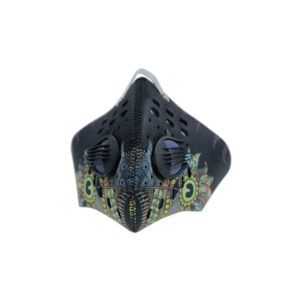
1. What Is a Cycling Mask?
A cycling mask is designed to cover the nose and mouth during cycling and other outdoor activities. Depending on its construction and filtration system, it may help reduce exposure to certain dust particles and airborne contaminants.
Unlike basic face coverings, some cycling masks feature adjustable nose clips, exhaust valves, and replaceable filters. These features are intended to improve fit, manage moisture, and support airflow during use.
Cycling masks are also used for motorcycle riding, running, hiking, and other activities where users may encounter dust or changing outdoor conditions. However, protection levels vary by product, and a general-purpose cycling mask should not automatically be considered certified respiratory protection.
2. Comfortable Materials for Everyday Use
Material selection plays an important role in the fit, flexibility, and durability of a cycling mask.
Neoprene offers flexibility and a close-fitting structure, making it suitable for designs that need to stay securely in place. Cotton provides a familiar, soft fabric feel, while mesh panels can support ventilation in selected areas of the mask.
Combining these materials allows manufacturers to develop different styles for different preferences and applications. When choosing a mask, users should consider the local climate, activity level, skin comfort, and how frequently the product will be worn.
A well-designed mask should fit comfortably without excessive pressure. Proper sizing and adjustment are especially important during longer rides and other extended outdoor activities.
3. Adjustable Fit and Practical Design
A secure fit helps keep a cycling mask in position during movement. An adjustable design allows users to customize the fit according to their facial shape and wearing preferences.
An aluminum nose clip can help shape the upper section around the nose, while an adjustable fastening system can improve stability during cycling, running, or hiking.
Some cycling masks also feature dual exhaust valves. These valves are designed to facilitate outward airflow and may help reduce moisture and heat accumulation inside the mask. Actual ventilation performance depends on the product’s design and construction.
Users should always check that the mask fits properly and does not interfere with comfortable breathing, vision, or helmet use.
4. Replaceable Carbon Filters and Maintenance
Selected cycling masks use replaceable carbon filters to support filtration. Depending on the filter design and the particles involved, a suitable filter may help reduce certain airborne contaminants and odors.
Filter replacement is an important part of product maintenance. Some models specify approximately 40–60 hours of filter use, but this period should be treated as a product-specific guideline rather than a universal standard. Actual replacement intervals depend on the manufacturer’s instructions, environmental conditions, and frequency of use.
Before purchasing a cycling mask, check the filter specifications, replacement availability, and recommended maintenance procedures. A mask with a replaceable filter can offer practical convenience when compatible replacement filters are readily available.
It is also important to note that exhaust valves may allow unfiltered air to escape and do not necessarily provide source control. Users requiring protection against specific hazards should select products with appropriate testing and certification.
5. Applications of Cycling Masks
Cycling masks are available for a variety of outdoor and recreational applications.
- Cycling and biking: Suitable designs may help reduce exposure to road dust during everyday rides.
- Motorcycle riding: A compatible mask can provide additional face coverage when worn with suitable riding equipment.
- Running and hiking: Lightweight designs may be considered for selected outdoor environments.
- Daily outdoor activities: Depending on the materials and filter specifications, a mask may suit routine use in dusty conditions.
The appropriate product depends on the activity, environmental exposure, fit, and required level of protection. For strenuous exercise, users should choose a design that allows comfortable breathing and stop using it if they experience dizziness or breathing difficulty.
6. Customized Cycling Masks for Businesses
For distributors, retailers, and brands, customized cycling masks offer opportunities to develop products for specific markets. Depending on manufacturing capabilities, customization options may include material selection, product size, color, logo printing, and design details.
Sample development allows buyers to review the product’s fit, workmanship, and appearance before confirming a bulk order. For this cycling mask range, the stated sample lead time is approximately seven working days, while bulk production takes around 30 days after sample approval and receipt of the bulk deposit.
Shipping options may include DHL, EMS, UPS, FedEx, and ocean freight, depending on order size and destination.
Conclusion
A cycling mask combines practical face coverage with design features intended to support comfort, fit, and convenient maintenance. Materials such as neoprene, cotton, and mesh provide different wearing characteristics, while adjustable nose clips, exhaust valves, and replaceable filters offer additional functional options.
For individual users, the key considerations are fit, breathability, intended application, and verified filtration performance. For businesses, material choices, customization capabilities, sample evaluation, and delivery arrangements are equally important when selecting a cycling mask supplier.